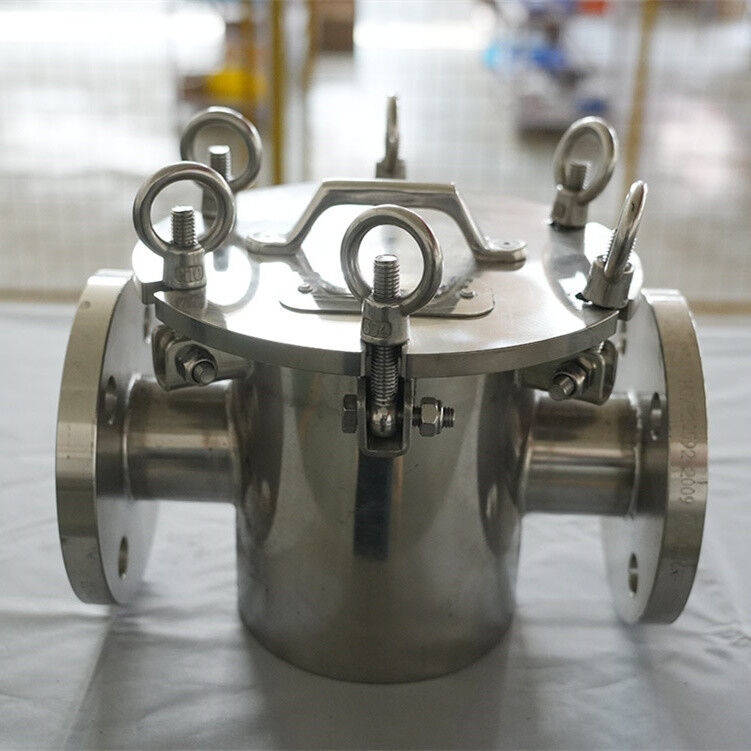
Wprowadzenie produktu
Opierając się na ręcznym urządzeniach do usuwania żelaza w szufladzie, ten samoczyszczący się pneumatyczny urządzenie do usuwania żelaza w szufladzie jest wzmocniony o strukturę automatycznego czyszczenia sterowaną przez sterownik PLC.System czyszczenia można ustawić tak, aby wykonywać automatyczne usuwanie żelaza w określonych częstotliwościach i odstępach czasu na podstawie zawartości żelaza, bez konieczności ręcznej interwencji, umożliwia ciągłe karmienie, zapewniając nieprzerwaną pracę linii produkcyjnej.Jego wyjątkowa konstrukcja zamkniętego obszaru rozładowania zapobiega wyciekowi proszku zarówno w warunkach ciśnienia dodatniego, jak i ujemnego.
Główne zalety
-
Automatyczne czyszczenie:System sterowania PLC umożliwia automatyczne usuwanie żelaza, spełniając wymagania ciągłej pracy linii produkcyjnej bez ręcznej interwencji.
-
Doskonałe uszczelnienie:Unikalna konstrukcja zamkniętego obszaru rozładowania skutecznie zapobiega wyciekowi proszku zarówno w warunkach ciśnienia dodatniego, jak i ujemnego.
-
Łatwe utrzymanie:Specjalne niemetalowe pierścienie do ścierania zapewniają skuteczne ścieranie i długą żywotność.
Parametry produktu
|
Parametry
|
Specyfikacja
|
|
Napęd nominalny
|
380 V
|
|
Metoda kontroli
|
Automatyczne sterowanie PLC
|
|
Częstotliwość czyszczenia
|
Zestawialne
|
|
Interwał czyszczenia
|
Zestawialne
|
|
Odpowiednie materiały
|
Proszek, granulowany
|
|
Temperatura pracy
|
≤ 80°C
|
|
Poziom ochrony
|
IP54
|
|
Waga
|
W zależności od modelu
|
Sprawa zastosowania
Sprawa: Przedsiębiorstwo produkujące materiały do akumulatorów litowych
Przedsiębiorstwo to przyjęło pneumatyczny samoczyszczący się urządzenie do usuwania żelaza typu szuflady do przetwarzania materiałów katodowych baterii litowej, osiągając 24-godzinną ciągłą produkcję.Zawartość żelaza w produkcie została zmniejszona z 0Sprzęt działa stabilnie przy niskich kosztach utrzymania, oszczędzając około 1,5 miliona RMB rocznie na koszty utrzymania.
Pytania i odpowiedzi
P1: Co powinienem sprawdzić, jeśli sprzęt się nie uruchomi?
Po pierwsze, sprawdź zasilacz, np. czy wyłączacz w pudełku dystrybucyjnym nie działa, czy przewód zasilania jest źle podłączony.na przykład poparzone kontakty kontaktora lub uszkodzone przełączniki sterujące. Sprawdź również, czy obwód pobudzenia jest otwarty. Zacznij od sprawdzenia skrzynki dystrybucyjnej, resetowania wszelkich uruchomionych wyłączników i pomiaru napięcia wejściowego z multimetr.otworzyć pole sterujące, aby sprawdzić stan włączania/wyłączania kontaktorów i wymienić uszkodzone przełączniki lub kontaktory.
P2: Dlaczego mechanizm rozładowania może się zablokować?
A: Może to być spowodowane dużymi obcymi przedmiotami mieszanymi w surowcu blokującymi pas rozładowy lub szkrab.takie jak nadmierne odruchy biegów lub luźne/przerwane łańcuchyPo pierwsze, wyłącz i zatrzymaj maszynę, zdemontować pokrywę mechanizmu rozładowania i oczyścić wszelkie zablokowane szczątki i nagromadzone filery żelaza.sprawdź elementy takie jak zęby i łańcuchyNa koniec należy nałożyć specjalistyczny olej smarowy na obracające się części, takie jak łożyska i łańcuchy.
P3: Co jest przyczyną nadmiernego hałasu podczas pracy?
A: Do możliwych przyczyn należą luźne elementy mocujące, wadliwe elementy obracające się (np. zużyte łożyska, nierównoważony wirnik silnika) lub obce obiekty znajdujące się wewnątrz urządzenia.użyć poziomu do kalibracji sprzętu i zacisnąć wszystkie śruby podstawy. Rozmontować obracające się części, wymieniać zużyty łożysk i wykonywać dynamiczną kalibrację równoważenia na nierównoważonych wirnikach silnika. Otworzyć urządzenie w celu sprawdzenia wnętrza i wyczyścić wszelkie obce obiekty.

 Twoja wiadomość musi mieć od 20 do 3000 znaków!